Reading depth
- Ch 1. Risk #1-A: Crude Supply Disruption -> Refinery Inventory Shortage -> Inflation LoopThe de facto Hormuz blockade locks at least 14M BPD into no-alternative dependence. Oil inflation delays Fed cuts, raising private refinancing costs and linking to Risk #2.Jump to section
- Ch 2. Risk #1-B: Physical Attack on Middle East Data Centers — An Unprecedented EventIRGC drones struck AWS data centers in the UAE and Bahrain, a historic first exposing AI infrastructure's geopolitical fragility. Qatar's helium halt is a direct hit to fabs.Jump to section
- Ch 3. Risk #2-A: The Reality of Stargate and ChatGPT Market Share CollapseThe $500B Stargate has zero employees and zero development a year on. With ChatGPT share collapsing while costs explode and conversion stuck at 5%, OpenAI's financial dilemma deepens.Jump to section
- Ch 4. Risk #2-B: GPU Depreciation Time Bomb and Private Credit Chain DefaultsBurry warns the gap between 5-6 year GPU depreciation and 2-3 year real life overstates 2026-28 earnings by $176B. Data-center delays compound the stranded-asset risk.Jump to section
- Ch 5. Twin Risk Convergence — The Doom Loop Where Two Risks MeetThe two risks form a mutually reinforcing Doom Loop, not independent shocks. Oil to Fed delay to refinancing cost, helium cutoff to fab disruption, and DC delay to stranded assets amplify.Jump to section
- Ch 6. Market Implications RecommendationsIn a twin-risk convergence, downside management beats aggressive bets. Defend with energy, defense, and gold, and approach HBM and TSMC selectively on dips despite solid sellouts.Jump to section
Ch 1. Risk #1-A: Crude Supply Disruption -> Refinery Inventory Shortage -> Inflation Loop
The Strait of Hormuz is under de facto blockade. Approximately20M BPD (~20% of global consumption) transits this waterway daily, but tanker traffic has effectively ceased, and bypass pipeline capacity is limited to just 2.6M BPD.At least 14M BPD is structurally locked into Hormuz with no alternatives.
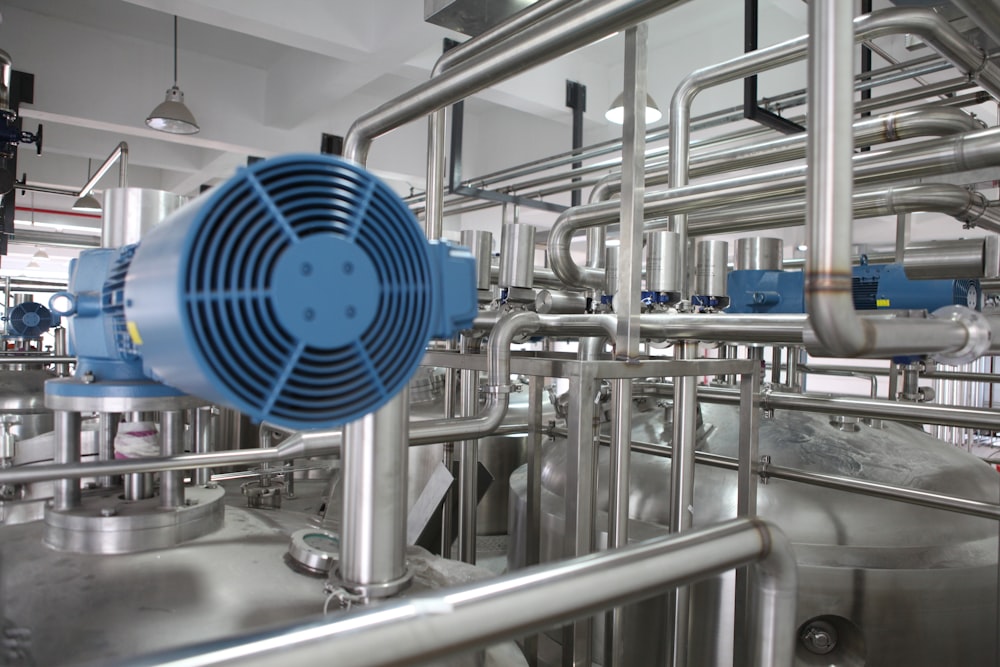
The core issue is refinery inventory shortages. Asian refiners optimized for Middle Eastern crude (Korea with 72% Middle East dependency, Japan 94%) face structural limits in switching to alternative crude (U.S. WTI, Brazilian, etc.). Crack spreads (refining margins) are already widening, and prolonged disruption could push gasoline, diesel, and jet fuel prices above crude — entering a'refining premium' regime.
Inflation Transmission Path: 1. Oil at $100+/bbl → jet fuel surge (25-35% of airline operating costs) 2. Shipping freight rates spike (fuel = 40-60% of operating costs) 3. Fertilizer prices rise (natural gas as feedstock) → food CPI pulled higher 4. All pathways activate simultaneously →Fed rate cut delay ('Pivot Delay')
This Pivot Delay directly increases refinancing costs for the private credit maturity wall,linking directly to Risk #2. If rates remain elevated, refinancing rates for private loans maturing in 2026-2027 rise, leading to higher corporate default rates.