Bottom Line
The de-facto Hormuz Strait closure has cut 20% of global seaborne oil transit — combined with 6.7 million bpd of Gulf production cuts and Qatar LNG suspension, the largest energy supply crisis since the 1973 oil shock has materialized.
20M BPD Disruption Scenario Analysis — Impact on Oil, LNG, and Petrochemical Supply Chains
The de-facto Hormuz Strait closure has cut 20% of global seaborne oil transit — combined with 6.7 million bpd of Gulf production cuts and Qatar LNG suspension, the largest energy supply crisis since the 1973 oil shock has materialized.
On Day 10 of the US-Israel-Iran war, Hormuz became impassable, tanker queues began forming, and G7 nations started discussing Strategic Petroleum Reserve releases.
Beneficiaries — US shale oil producers (maximizing per-barrel margins), alternative supply route countries (Russia, Norway, Nigeria), energy ETFs. Headwinds — Asian refiners (Korea, Japan, India), aviation/shipping/petrochemical downstream industries, energy-import-dependent emerging market currencies.
Weekly WTI and Brent spot prices and G7 SPR release volumes — the degree of coordinated response and blockade duration determine the oil price ceiling.
The of Hormuz is anarrow waterway approximately 33km wide connecting the Persian Gulf to the Gulf of Oman. As of 2025, approximately13 million barrels of crude per day (31% of the world's seaborne crude trade) andabout 20% of the world's LNG transit through it, making it the lifeline of global energy.
Key Resources Transiting the Strait of Hormuz:
80% of crude oil transiting this strait is destined forAsia (China, Japan, Korea, India). Korea depends on the Middle East for approximately 70% of its crude imports, making it one of the most directly affected countries in a blockade.
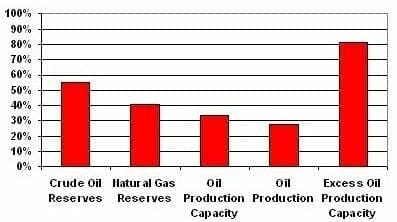
Blockade Status (as of 3/10): IRGC issued a warning prohibiting passage through the strait, effectively halting tanker traffic.Over 150 vessels are waiting outside the strait, and tanker traffic has declined byover 70% compared to pre-blockade levels.
Sign in with Google to unlock the full body of every free report instantly.
Sign in with GoogleThis site runs on ads — the tier system rewards community contributions.
This report is provided for informational purposes only and does not constitute a recommendation to buy or sell any financial instrument. Investment decisions should be made based on your own judgment and responsibility. The analysis and opinions contained herein are based on information available at the time of writing and are subject to change.